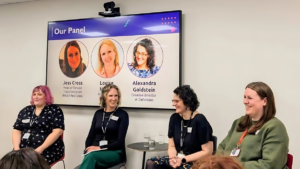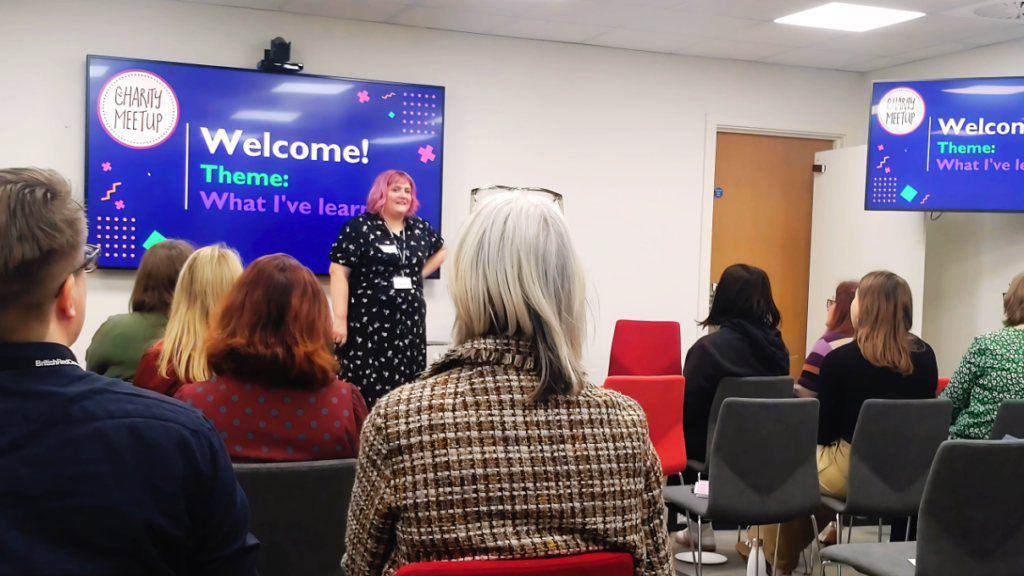

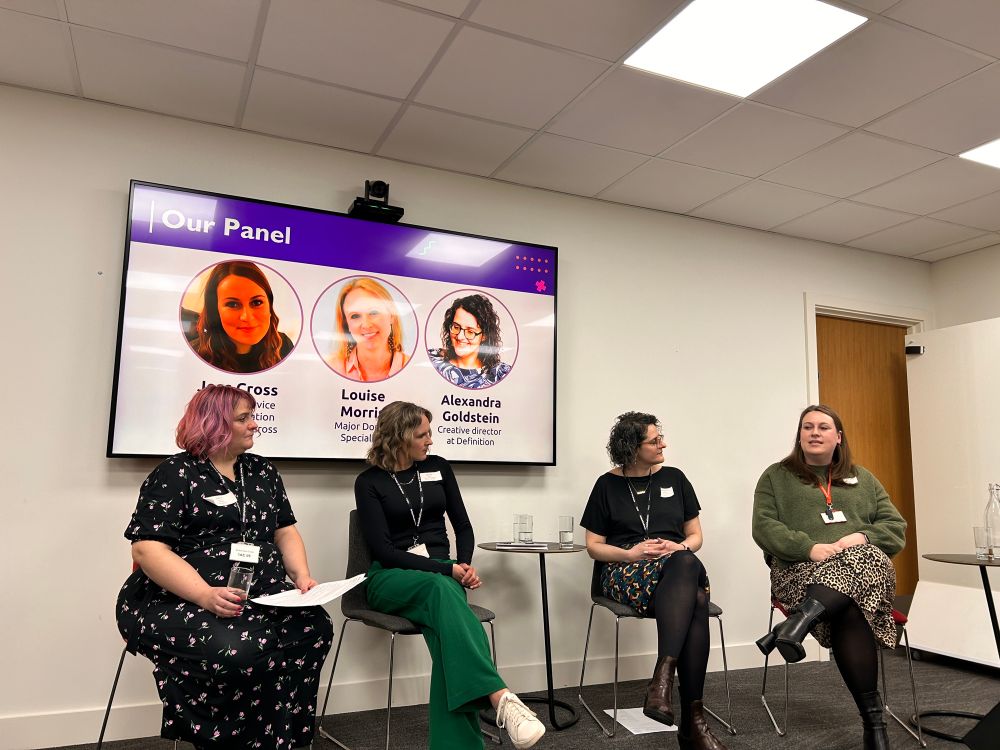

Five themes emerged from the panel discussion and Q&A:
The panel emphasised the importance of community in the sector. Dawn was passionate about the importance of belonging, saying, “We need belonging. We need to feel connected and more cohesive as organisations. We need to end SILOs. Community should be a priority.”
But communities don’t build themselves. Alex explained, “You need a lynchpin – a person or an organisation – to build and facilitate the community. Someone needs to connect people around a shared vision and commit to setting the tone with leadership.”
The panel agreed and noted that community is even more important in the age of remote working. They discussed the problem of SILOs eroding trust and slowing down impact.
“Community is so powerful. We need to decentralise our conversations and involve and empower people more,” said Dawn, explaining the need to break down barriers to collaboration. “It’s healthy to have people cross over from different departments, organisations, and industries. We need to learn from each other,” she added.
Alex made a point about the value of meaningful involvement, referencing the ‘Ikea effect’ – the idea that people value the things that they’ve invested time in creating. “Make sure people are part of important projects,” she added, “Because ownership drives engagement.”
During the panel discussion, the topic of boundaries came up a lot. The panel recognised that it can be difficult for women to set boundaries, as they are often expected to take on additional tasks or be people-pleasers.
Louise shared a hard truth: “There are lots of ‘yes’ people in the sector. But that makes it harder to concentrate on the important things.” She urged organisations to ‘do less, but do it better’, and shared a practical tip for pushing back: “Try saying, ‘I can’t do A, but I can do B.’ It turns a ‘no’ into a positive conversation.”
She continued, “We need to give our teams the opportunity to say no. Let’s encourage them to set boundaries.” Alex expanded on this, noting that “giving people the option to say no can give them the freedom to say yes.” The panel agreed, discussing the value of letting ourselves say ‘yes’ to opportunities outside our comfort zone.
Jess echoed the sentiment, advising attendees to “think about the cost-benefit of your time. Every ‘yes’ means a ‘no’ elsewhere.” She reminded us that kindness and niceness are not the same. “Kindness means we can still have tough conversations, but in a human way.”
Mentors can help with boundary setting. “If you have a mentor, you can role-play ways to set boundaries, push back, and be clear,” Dawn explained.
The panel stressed the value of listening to our intuition in career decisions. Dawn admitted: “Every time I’ve gone against my gut instinct, I’ve regretted it.” Alex, who transitioned from charity work to agency life, explained that networking was instrumental, saying, “the step I took wouldn’t have happened without those connections.”
Sometimes our instinct can help us to avoid making mistakes. Louise shared this advice: “It’s hard to say no to a job offer, but sometimes it’s worth listening to your instinct. If you’re uneasy, that could be a sign it’s not the job for you.”
Motivation can help to undercover our next career move. Jess advised us to understand our intrinsic motivations. “That helps you know what to say yes to”, she added.
Alex emphasised the importance of alignment over tasks, adding, “They sound like ‘your kind of people’ can be a better fit than finding a role with your ideal job description.” Louise added “Alignment is really important – I find myself drawn to the work I’m interested in.”
The panel openly shared their experiences with burnout, noting that the charity sector places high expectations on its employees. In our roles, we are often expected to go the extra mile to the extent that the demands of the work can impact our wellbeing. Louise’s advice was simple: “Rest makes all the difference.”
A question about the challenge of job hunting emphasised the importance of having a support network. “It’s a numbers game,” Louise reminded us, “but your cheerleaders and network make it bearable.”
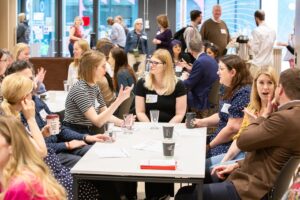
Throughout the discussion, we heard countless examples of the value of networking and how we can find community outside of our work circles.
“Find what works for you. Online networking events, online spaces, or in-person events. Think laterally as well, and explore networks outside of work and outside of the sector. It helps to meet different people. And if you see a gap – create one!” Louise suggested.
If we’re curious about our next steps, it can help to ask others. Dawn added, “If you have people in your network who have gone in a direction you’re interested in—ask them about it!”
Dawn wrapped up the event by reinforcing the power of connection. “Networking isn’t just about opportunities; it’s about finding your people,” she said, encouraging attendees to “create spaces where you can celebrate, collaborate, and sometimes just vent.”
The event ended with a challenge: “What’s one thing you’ll do differently after today?”
As the room buzzed with new ideas and people exchanged LinkedIn profiles, the answer was clear: we need to embrace the ‘squiggles’ in our careers, set boundaries with purpose, and invest in the relationships that will lead to our next career opportunity.
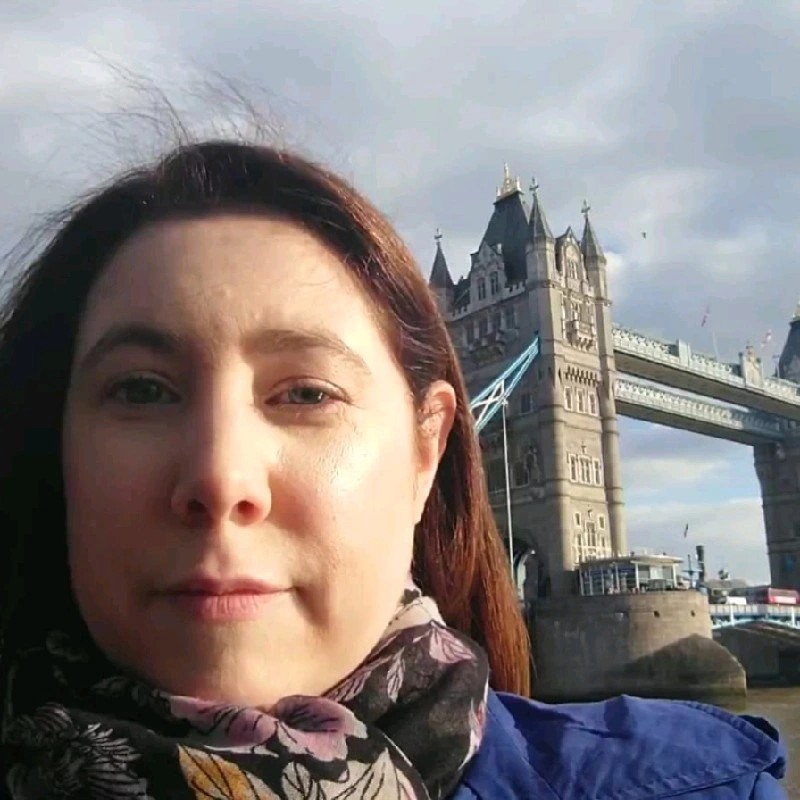
Event summary written by Serena Snoad, founder of Good Community.
Connect with Serena: https://www.linkedin.com/in/serenasnoad/